
< html>
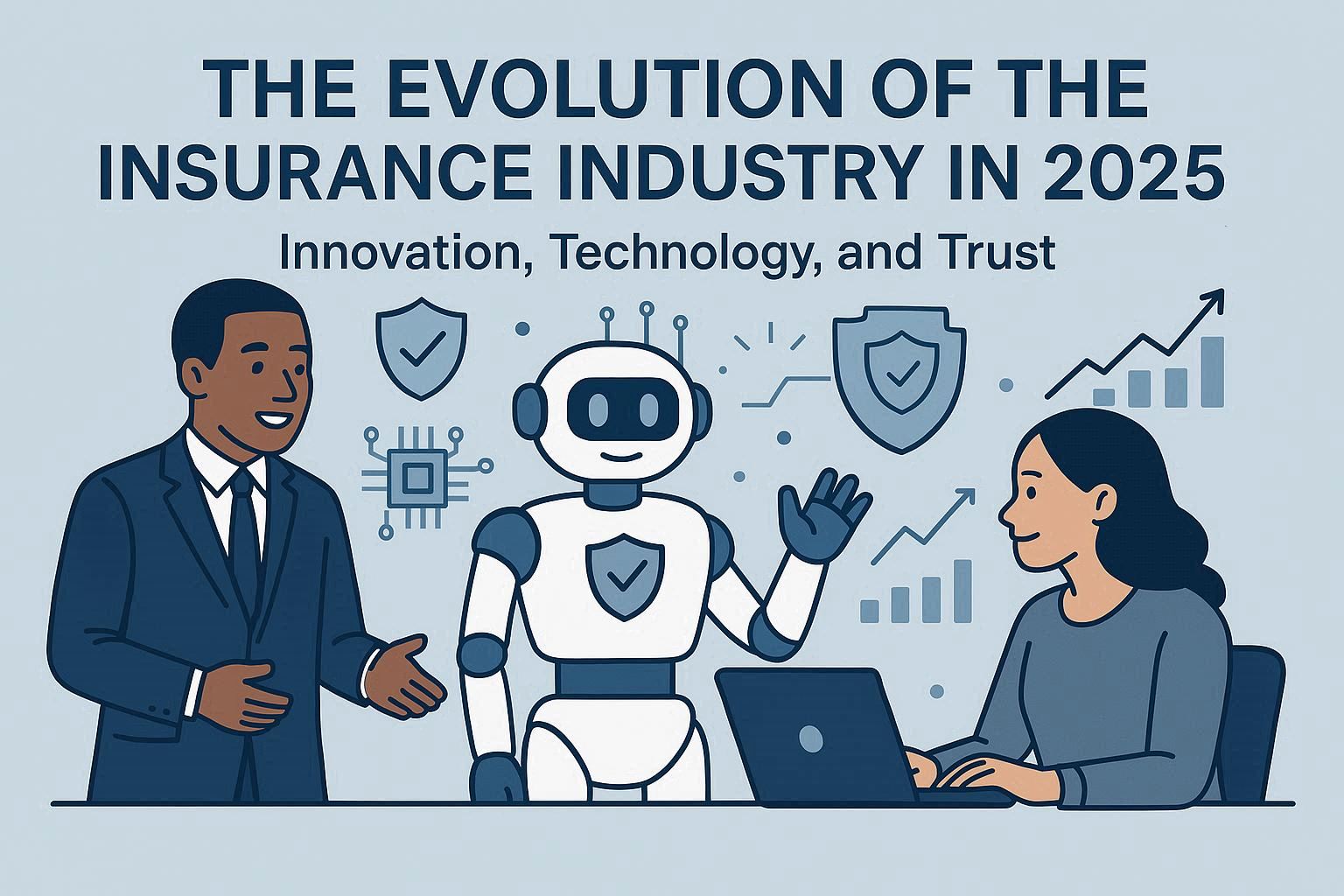
The insurance industry in 2025 stands at the intersection of technology, customer expectations, and global change. Once considered a traditional and slow-moving field, insurance has transformed rapidly over the past decade. Artificial intelligence, automation, data analytics, and personalized digital platforms are reshaping how insurers operate, interact with clients, and manage risks.
This article explores the key trends shaping the insurance sector in 2025, including digital innovation, regulatory changes, customer trust, and the future of insurance business models.
1. The Shift Toward Digital Transformation
Digital transformation is no longer optional for insurers—it’s essential. In 2025, most insurance processes, from policy issuance to claims management, are digitized. Cloud computing, AI-driven chatbots, and blockchain-based contracts have streamlined operations and improved transparency.
Insurers are now investing heavily in data platforms that allow them to understand customers better and deliver real-time solutions. Mobile applications, online portals, and automated support systems have made insurance more accessible than ever.
2. The Rise of AI and Predictive Analytics
Artificial intelligence and predictive analytics are revolutionizing how insurance companies assess risk and detect fraud. Advanced algorithms analyze massive datasets—from driving habits to health metrics—to predict potential losses and personalize coverage.
AI-driven underwriting has drastically reduced the time needed for policy approvals, improving customer experience and operational efficiency. Predictive analytics also help insurers design customized policies tailored to specific customer needs.
3. Personalized and On-Demand Insurance
Consumers today demand flexibility and personalization. Traditional “one-size-fits-all” policies are being replaced by on-demand insurance models. Customers can now purchase coverage instantly through apps, whether for travel, health, vehicles, or property, and adjust it as their needs change.
Usage-based insurance (UBI) and pay-as-you-go plans are becoming popular, especially in auto and health sectors. These models use IoT data to calculate premiums based on real behavior rather than broad demographics.
4. Blockchain and Smart Contracts
Blockchain technology is enhancing transparency and security in insurance operations. Smart contracts automate claims verification and payments, reducing human error and fraud. Blockchain-based ecosystems allow multiple stakeholders—insurers, reinsurers, and customers—to share information securely.
This technology improves trust among parties and accelerates claims processing, a major factor in customer satisfaction and retention.
5. Customer Trust and Ethical AI
As digitalization increases, so does the importance of maintaining trust. Consumers expect insurers to use data responsibly and protect their privacy. In 2025, companies that prioritize transparency and ethical AI practices have a competitive advantage.
Regulators are also enforcing stricter compliance standards to ensure that data usage remains fair and unbiased. Insurers who adhere to these principles not only avoid penalties but also strengthen their brand reputation.
6. Climate Change and Risk Management
Climate-related risks are reshaping the insurance landscape. Insurers are developing new models to assess the financial impact of floods, wildfires, and extreme weather events. Sustainability has become a key focus, pushing insurers to support green projects and encourage eco-friendly behaviors through incentives.
By integrating environmental, social, and governance (ESG) principles, insurance companies are not only protecting assets but also contributing to global sustainability goals.
7. The Future of Work in Insurance
Automation and digital tools have transformed insurance workplaces. Many administrative tasks are now automated, allowing employees to focus on customer engagement and strategic analysis. Hybrid work models and digital collaboration tools have become standard across the industry.
To stay competitive, insurers are investing in talent development, focusing on data science, AI, cybersecurity, and customer experience expertise.
8. The Road Ahead: Innovation and Human Touch
While technology is driving efficiency, the human element remains vital. Customers still value empathy, clarity, and personalized advice when dealing with complex insurance decisions. The winning insurers of the future will balance digital innovation with human understanding.
InsurTech startups are partnering with traditional firms to create hybrid solutions that blend advanced technology with personalized service. This combination is redefining what it means to be customer-centric in the insurance space.
Conclusion
The insurance industry of 2025 is dynamic, digital, and data-driven. From AI and blockchain to on-demand policies and ethical governance, innovation continues to reshape how insurers build trust and deliver value. Companies that embrace this evolution will not only survive but thrive in a competitive, customer-first market.
As the world becomes more connected and unpredictable, the role of insurance—protecting people, businesses, and societies—remains as essential as ever. The difference in 2025 lies in how smart, transparent, and human-centered that protection has become.