
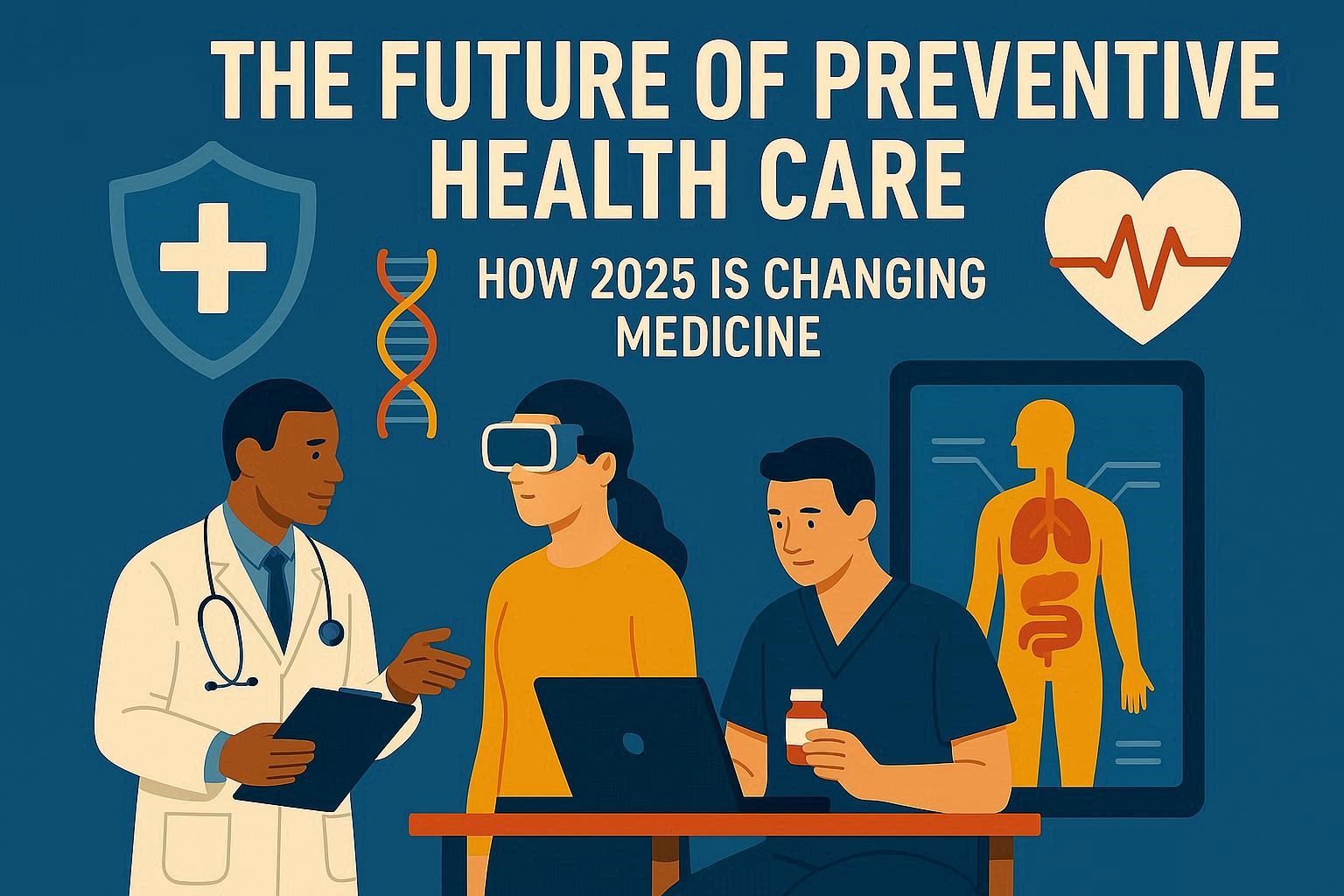
Health systems around the world are undergoing a major transformation. In 2025, preventive healthcare has moved from being a public health goal to a global priority. Rather than waiting for diseases to appear, medical professionals, governments, and individuals are investing in early detection, lifestyle improvements, and digital health tools to prevent illness before it starts.
This article explores how preventive healthcare is shaping the future of medicine, the technologies driving it, and the impact it has on individuals and healthcare systems worldwide.
1. What Is Preventive Healthcare?
Preventive healthcare refers to medical practices that focus on maintaining health and preventing diseases, rather than treating them after they occur. It includes regular screenings, vaccinations, lifestyle management, and early diagnosis through modern technologies. This approach not only saves lives but also reduces healthcare costs by minimizing hospitalizations and chronic disease management.
2. The Shift Toward Prevention
Over the past decade, rising healthcare costs and an increase in chronic diseases like diabetes, heart disease, and cancer have pushed governments and healthcare providers to rethink their strategies. Instead of reactive medicine—treating patients only after symptoms appear—preventive medicine focuses on continuous health monitoring and proactive care.
This shift is supported by growing public awareness, improved access to digital health services, and policy changes emphasizing wellness over illness management.
3. The Role of Technology in Preventive Care
Technology is the backbone of the preventive healthcare revolution. From wearable devices that monitor heart rate and sleep patterns to artificial intelligence that predicts disease risk, digital innovation is making healthcare more personal and predictive.
Artificial Intelligence (AI) is being used to analyze vast amounts of medical data, helping doctors detect potential health risks earlier than ever. AI-driven diagnostic systems can identify abnormalities in medical images, predict heart attacks, or flag early signs of cancer with remarkable accuracy.
Wearable Technology such as smartwatches and fitness trackers enables individuals to monitor their vital signs daily. These devices collect real-time data on heart rate, oxygen levels, and activity, providing early warnings when something is wrong.
Telemedicine allows patients to connect with healthcare providers remotely, making regular checkups easier and reducing the need for in-person visits. This accessibility encourages people to take preventive steps more consistently.
4. Personalized Medicine and Genetic Testing
Preventive healthcare in 2025 is becoming increasingly personalized. Advances in genetic testing allow individuals to understand their genetic predispositions to diseases such as cancer, heart disease, or Alzheimer’s. Doctors can then design prevention plans tailored to each person’s unique biology.
Personalized medicine also extends to nutrition and fitness. AI-powered apps recommend personalized diet plans, exercise routines, and supplements based on individual health data, lifestyle, and goals.
5. The Importance of Lifestyle and Behavioral Change
Technology alone cannot prevent disease—human behavior remains the most important factor in long-term health. Preventive healthcare emphasizes education on nutrition, exercise, mental health, and stress management. In 2025, digital wellness platforms, mobile health apps, and online fitness programs make it easier for people to adopt healthy habits and maintain consistency.
Employers are also recognizing the value of preventive health. Many companies now offer wellness programs that include free health screenings, fitness memberships, and stress management resources for employees.
6. The Economic Benefits of Preventive Healthcare
Prevention is not only better for individuals—it’s also better for economies. Treating advanced diseases is far more expensive than preventing them. According to global health economists, investing in preventive programs can save billions in healthcare spending while improving productivity and life expectancy.
Insurance companies are increasingly rewarding preventive behaviors. Some offer lower premiums to clients who maintain healthy lifestyles, attend regular screenings, or use wearable devices to track their health.
7. Public Health Policy and Global Collaboration
Governments and international organizations are prioritizing prevention in public health policies. Campaigns promoting vaccination, early cancer screening, and chronic disease prevention are gaining momentum worldwide. Countries are also investing in digital health infrastructure to support preventive initiatives at a national scale.
Global collaboration between governments, tech companies, and healthcare institutions is helping develop data-sharing systems, standardize preventive protocols, and create equitable access to preventive care—especially in low-income countries.
8. Challenges to Preventive Healthcare Adoption
Despite the progress, several challenges remain. Access to technology and healthcare services is still limited in many regions. Privacy concerns about health data, digital illiteracy, and lack of awareness hinder widespread adoption.
Healthcare systems also face a cultural challenge—transitioning from treatment-centered models to prevention-oriented frameworks requires policy reform, professional training, and long-term commitment from both public and private sectors.
9. The Future of Preventive Healthcare
In the coming years, preventive healthcare will continue to evolve through innovation. AI and predictive analytics will become even more sophisticated, enabling doctors to forecast diseases before symptoms appear. Nanotechnology could make early diagnostics faster and less invasive, while biosensors and implantable devices will continuously monitor internal health markers.
The combination of digital health tools, big data, and personalized medicine will create a healthcare ecosystem where prevention is integrated into everyday life—helping people live longer, healthier, and more productive lives.
Conclusion
Preventive healthcare in 2025 marks a turning point in global medicine. As technology, policy, and public awareness converge, the focus of healthcare is shifting from treatment to prevention. This transformation benefits not only individuals but entire societies, reducing costs, improving quality of life, and strengthening global health systems.
The future of medicine lies in staying ahead of disease—empowering people to take control of their health before problems begin. By investing in prevention today, the world is building a healthier, more sustainable tomorrow.