
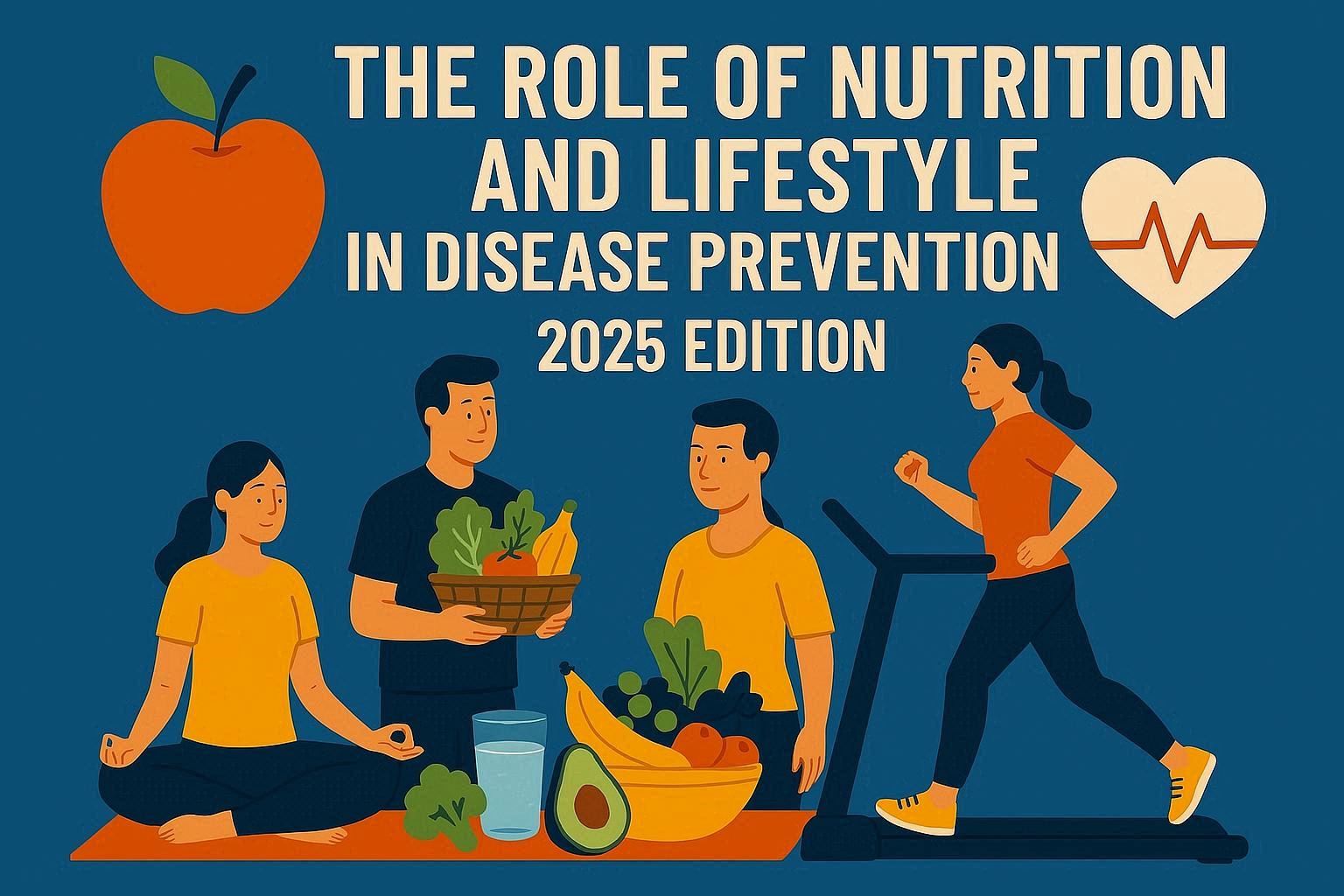
In 2025, the connection between nutrition, lifestyle, and disease prevention has never been clearer. With advances in medical research, we now understand that what we eat and how we live directly influence our long-term health and quality of life. Chronic diseases such as diabetes, heart disease, and cancer are often preventable through simple yet powerful changes in diet and lifestyle habits.
1. The Power of Preventive Health
Preventive health focuses on avoiding illness before it occurs, rather than treating symptoms after they appear. In this context, nutrition and lifestyle choices are considered the foundation of a healthy body and mind. A balanced diet, regular exercise, stress management, and adequate sleep form the four pillars of preventive care.
Health experts now emphasize that around 70% of chronic diseases are related to lifestyle factors. This means that small changes made consistently can significantly reduce the risk of serious health conditions.
2. Nutrition as the Cornerstone of Prevention
Good nutrition provides the body with essential nutrients, vitamins, and minerals necessary for optimal functioning. A diet rich in fruits, vegetables, whole grains, lean proteins, and healthy fats supports immunity, reduces inflammation, and maintains energy balance.
Key dietary principles for disease prevention include:
- Consuming antioxidant-rich foods such as berries, leafy greens, and nuts to combat oxidative stress.
- Reducing processed foods and added sugars to lower the risk of obesity and metabolic disorders.
- Including omega-3 fatty acids (from fish, flaxseeds, and walnuts) to support heart and brain health.
- Prioritizing fiber-rich foods for digestive health and stable blood sugar levels.
3. The Impact of Lifestyle Choices
Lifestyle factors such as physical activity, sleep quality, and stress management play an equally important role in preventing diseases. Modern lifestyles often involve long hours of sitting, poor sleep patterns, and chronic stress — all of which contribute to poor health outcomes.
Adopting healthier routines doesn’t have to be complicated. Regular walking, mindful breathing exercises, and adequate rest can make a profound difference in well-being. In 2025, digital health tools such as fitness trackers and wellness apps help individuals stay accountable and track their progress.
4. The Relationship Between Diet and Chronic Diseases
Scientific studies show that unhealthy dietary patterns increase the risk of chronic diseases such as:
- Heart disease: High intake of saturated fats, sodium, and processed foods can raise cholesterol and blood pressure levels.
- Type 2 diabetes: Diets high in sugar and refined carbohydrates contribute to insulin resistance.
- Cancer: Excessive consumption of red and processed meats has been linked to certain cancers, while a plant-based diet can reduce risk.
- Obesity: Overeating and high-calorie diets lead to weight gain and metabolic complications.
On the other hand, balanced diets such as the Mediterranean and DASH diets have proven effective in reducing the risk of these conditions.
5. Mental Health and Nutrition
In recent years, scientists have discovered a strong connection between gut health and mental health, often referred to as the “gut-brain axis.” A diet high in fiber and probiotics supports gut bacteria, which can improve mood, reduce anxiety, and enhance cognitive performance.
In 2025, personalized nutrition and mental wellness programs are increasingly being adopted by individuals and companies alike. These programs tailor diets and habits to specific needs, ensuring optimal mental and physical health.
6. The Role of Physical Activity
Regular physical activity is a key component of disease prevention. Exercise improves cardiovascular function, strengthens muscles and bones, and enhances metabolism. It also boosts mood and reduces stress hormones such as cortisol.
The World Health Organization (WHO) recommends at least 150 minutes of moderate physical activity per week for adults. Simple activities like brisk walking, cycling, or yoga can provide substantial health benefits.
7. Sleep and Stress Management
Sleep is often underestimated, yet it is essential for the body’s repair and recovery. Poor sleep increases the risk of obesity, heart disease, and depression. Similarly, chronic stress affects hormonal balance and weakens the immune system.
Techniques such as mindfulness, meditation, and deep breathing can help manage stress effectively. In 2025, many people use wearable devices that track sleep patterns and stress levels to improve their daily habits.
8. Future of Preventive Healthcare
The future of preventive healthcare lies in personalization and technology. With the help of artificial intelligence and genetic testing, individuals can receive tailored dietary and lifestyle recommendations based on their genetic makeup and health data. This shift from reactive to proactive healthcare is transforming how we manage wellness.
Governments and healthcare providers are also promoting awareness programs to encourage healthy habits and reduce the global burden of chronic diseases.
9. Conclusion
Nutrition and lifestyle choices remain the most powerful tools for preventing diseases and promoting longevity. As we move deeper into 2025, it’s evident that investing in one’s health today ensures a healthier and more vibrant future.
By embracing balanced diets, regular exercise, sufficient rest, and mindfulness, individuals can take control of their well-being. Disease prevention is not just about medicine — it’s about living intentionally, one healthy choice at a time.